Our world is vast, and in every nation, there are customs and traditions unique to those places. When it comes to business, norms can vary. In the following post, I will share with you 14 different photos that show how business etiquette varies from country to country.
Please note that there are always exceptions. For instance, although it is commonly believed that certain citizens from some countries do not smile in business dealings, do not be surprised if someone from a country smiles during a business meeting. Customs change. Moreover, as the world becomes more culturally homogeneous and trade and commerce between peoples increase, you are more likely to experience more uniform behavior.
Here are some common business customs around the world and how they differ:
1. Gift-Giving in Business

In Japan, gift-giving at a business meeting is considered a symbol of honor and is usually done at the beginning of a collaboration or after successful discussions. In Russia, gift-giving in professional settings is often seen as a sign of respect, goodwill, or the start of a positive relationship. In many other parts of the world, this would be considered unusual.
2. Coffee vs. Tea Culture

In some countries, it’s typical to begin a business meeting with either tea or coffee. For instance, in Türkiye, tea is the preferred drink in such settings. In other countries, such as Italy or Colombia, expect to be offered coffee. In the United States, the leeway is greater, and you might be offered coffee, tea, or even a soft drink.
If you enjoyed this, you might also like…
➤ 15 Beautiful French Phrases, Words, and Sayings3. Formal Office Greetings

In some parts of Europe, such as Greece, France, or Spain, business colleagues commonly kiss on the cheek. This practice is not common in the United States, though it is widespread in many other countries.
4. Office Decor and Personalization

In the U.S., you’re likely to see cubicles with personal items such as family photos. In Scandinavia, the approach is often minimalistic, with only essential items present.
5. Physical Space and Proximity

Physical distance varies around the world. In Latin America, people tend to stand closer. In countries such as Germany or Sweden, more personal space is respected, even in professional settings.
6. Open vs. Closed Office Doors

In the U.S., an open door usually signals approachability. In Japan, an open door doesn’t necessarily mean someone is available and may even suggest the opposite.
If you enjoyed this, you might also like…
➤ 7 Incredible Persistence Stories in Business7. Role of Alcohol in Business
In Arab countries, alcohol is typically avoided in business contexts. In contrast, in countries such as England or the Republic of Korea, it’s not uncommon to share drinks after meetings to build rapport.
8. Presentation Style

American presentations often include visuals and storytelling. In many Asian or European settings, the focus may be more on facts, clarity, and brevity.
9. Business Bowing Culture

In Japan, bowing is a traditional and respectful greeting. In the U.S., a handshake is more common.
10. Office Layout

American offices often have more space and larger cubicles. In Japan, office layouts are typically more compact and efficient.
If you enjoyed this, you might also like…
➤ 20 Inspiring Quotes from Great Thinkers for Entrepreneurs11. Decision-Making

In the U.S., decisions are often made by a manager or executive. In many Asian countries, decisions are made collaboratively after team discussion.
12. Networking Style

In the U.S., networking tends to be formal. In countries such as Australia or the Netherlands, networking events are more casual and may even take place at a bar or café.
13. Business Card Exchange
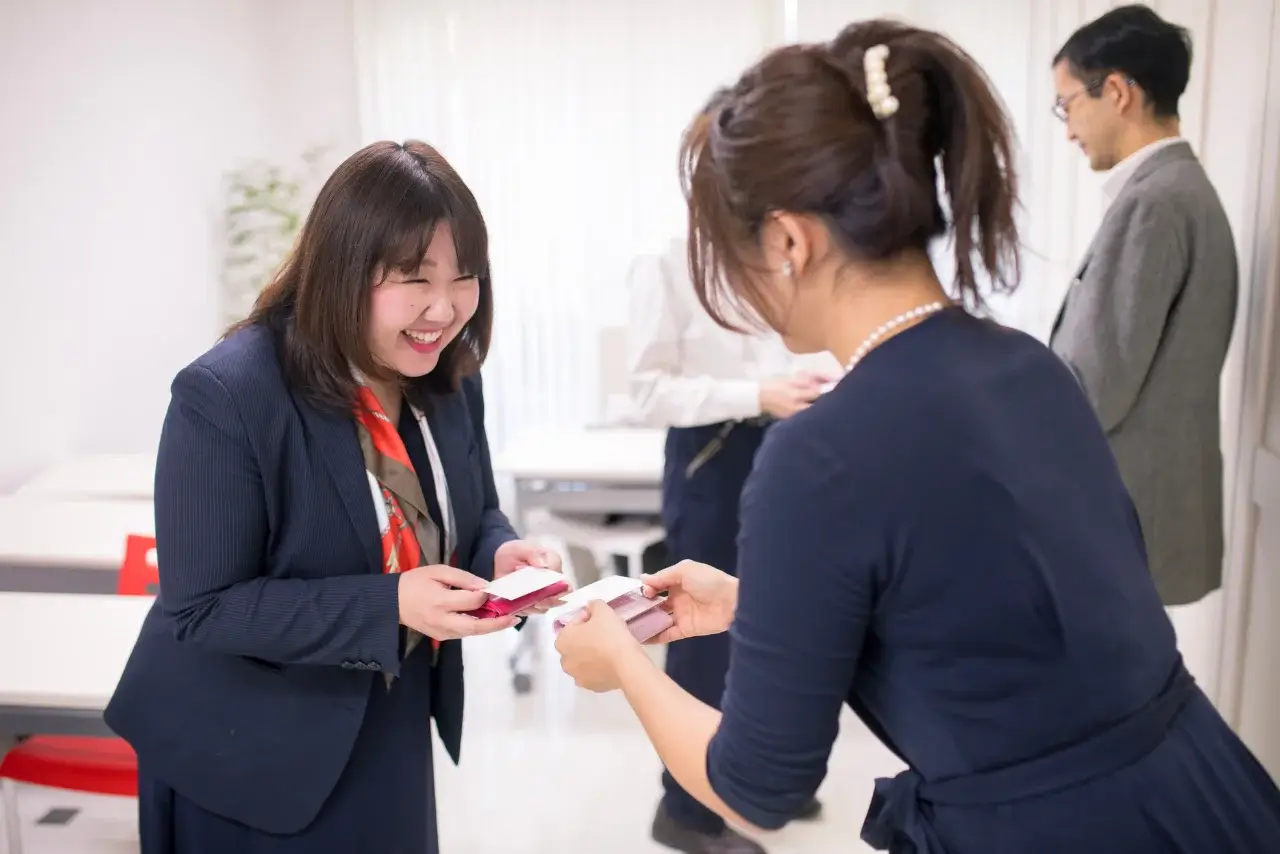
In Japan, business cards are given and received with both hands as a sign of respect. In North America, handing a card with one hand is standard practice.
14. Use of First Names vs. Last Names
Addressing managers or colleagues on a first-name basis is common in places such as France, Italy, Latin America, and some Scandinavian countries, even when speaking with senior staff. In countries such as Germany, the United States, and Canada, last names and titles are generally expected in professional settings.
To learn more about the cultural differences that affect business practices, check out our post on American vs. Canadian Business: What You Need to Know.
If you enjoyed this, you might also like…
➤ 10 Most Beautiful Currencies From Around the World