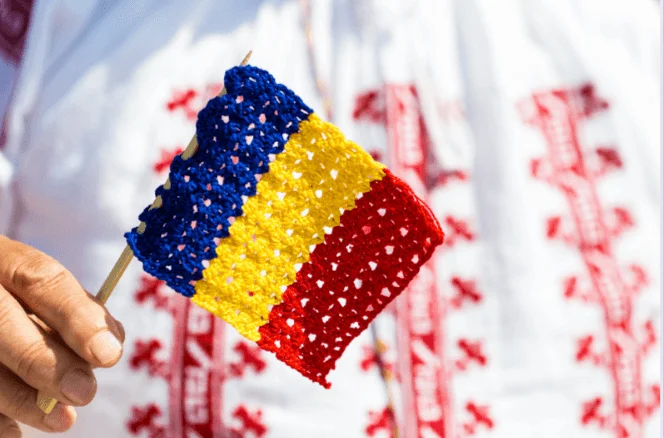
Learning Romanian opens doors to a rich cultural and linguistic heritage deeply rooted in the history of Eastern Europe. As a Romance language directly descended from Vulgar Latin, Romanian shares a kinship with languages such as French, Italian, Portuguese, and Spanish, yet retains a distinct character shaped by its Dacian and Slavic influences over centuries.
A knowledge of Romanian enhances travel experiences throughout Romania and Moldova, where it is the primary language. Speaking Romanian facilitates deeper cultural immersion, allowing travelers to connect authentically with locals, understand traditional customs, and appreciate regional cuisine. In a globalized economy, proficiency in Romanian can also be advantageous, especially in sectors like IT, engineering, and healthcare.
Beyond its practical applications, Romanian offers access to a rich cultural history, including literature by renowned writers like Mihai Eminescu and Mircea Eliade, vibrant folk music traditions, and internationally acclaimed films from the Romanian New Wave.
My Own Personal Experience with Romania
I had the opportunity to live in Romania in 2004, and I enjoyed my time there. Bucharest is a sprawling, vibrant capital of approximately 2 million residents that offers much to visitors. The city’s architecture, influenced in part by Nicolae Ceaușescu’s visit to Pyongyang in the 1970s, led to large-scale neoclassical development. Bucharest is still occasionally referred to as “Little Paris” when discussing its historical and cultural heritage.
Three things stood out immediately: inexpensive rent compared to other cities, very low crime, and the strong purchasing power of the dollar at the time. Some taxi drivers may refuse short-distance trips, though finding another taxi is rarely difficult. During holidays, bureaucratic places such as banks, post offices, and supermarkets often have long lines.
Romanians appeared grounded and welcoming. I never once felt in danger. The country gave the impression of a closely connected society, which may help explain the rarity of violent crime.
The following words and expressions are not just linguistic tools; they are windows into the values, emotions, and traditions of the people who use them. Adding them to your vocabulary will enrich your language skills and provide you with a more nuanced and meaningful way to engage with the culture.
Beautiful Romanian Words
1. Dragoste – Love

Dragoste means love. Another commonly used word is “Iubire,” and the two are largely interchangeable.
2. Dor – Longing
Dor expresses deep longing or yearning and has no exact English equivalent.
3. Îmbrățișare – Embrace
Îmbrățișare means hug and is used among family members and between romantic partners.
4. Lumină – Light
Lumină refers to physical light and also carries symbolic meanings such as hope and clarity.
5. Zâmbet – Smile

Zâmbet means smile and is frequently used in everyday conversation.
6. Povești – Stories
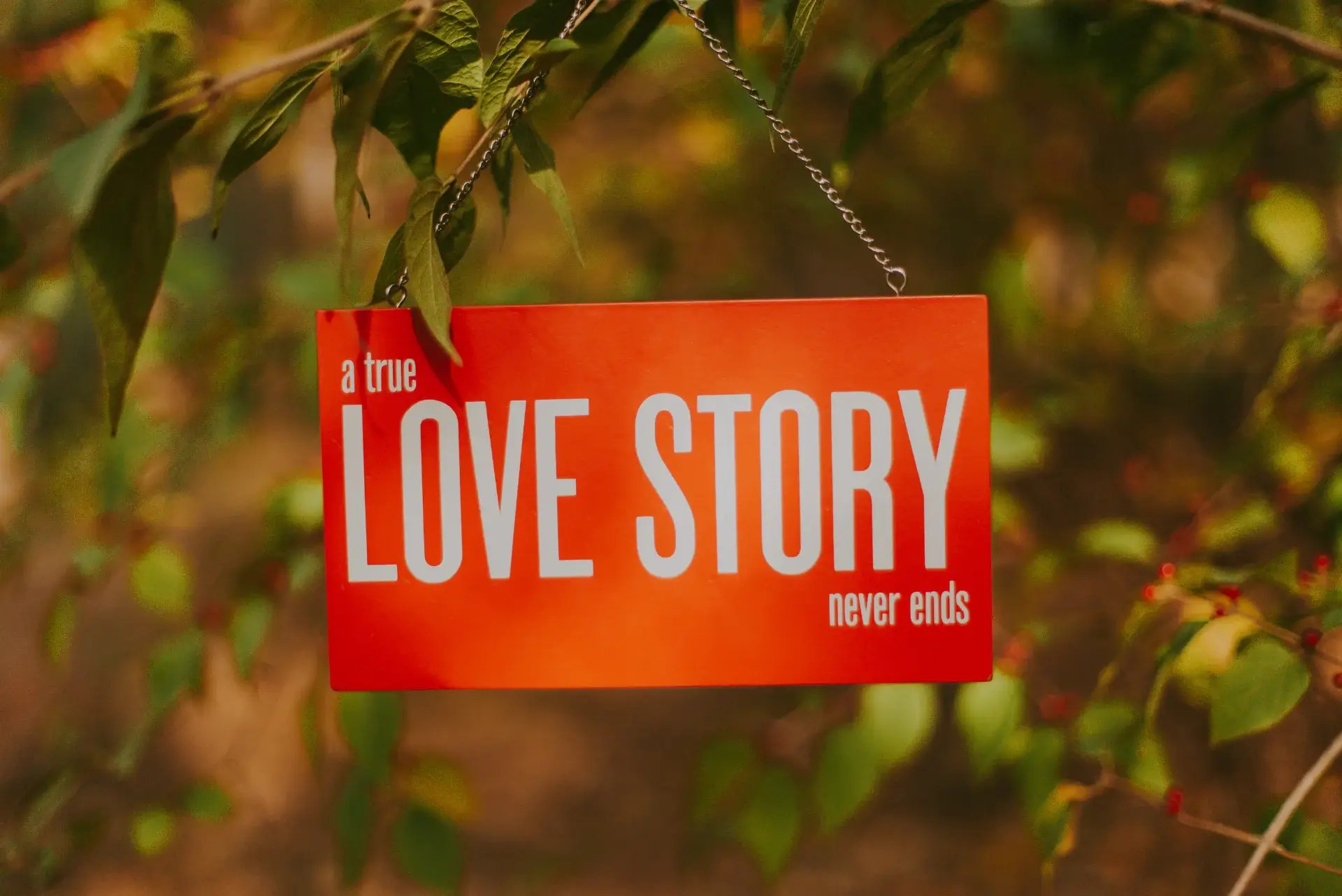
Povești refers to stories, fables, and childhood tales.
7. Încântare – Delight
Încântare expresses pleasure or enchantment and is commonly used in conversation.
8. Călătorie – Journey
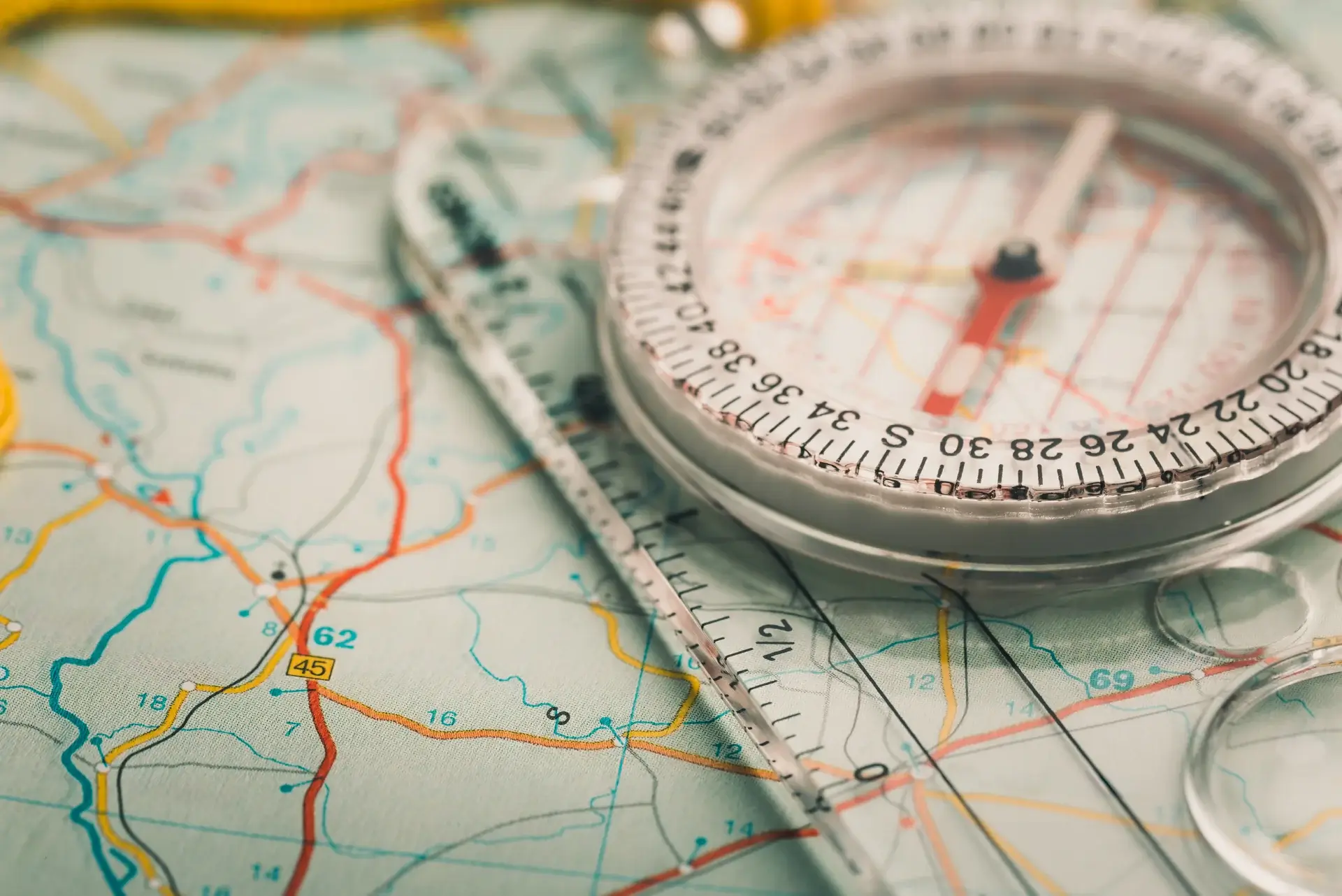
Călătorie refers to a physical journey or trip.
9. Inimă – Heart

Inimă is widely used in emotional, romantic, and philosophical expressions.
10. Bucurie – Joy

Bucurie means joy or happiness. It is a warm, uplifting word that expresses a deep sense of emotional fulfillment rather than just a fleeting moment of pleasure. Romanians use this word to describe everything from the simple joy of spending time with loved ones to profound life milestones. Bucurie carries a softness in pronunciation that mirrors its meaning, making it one of the most heartfelt and positive words in the Romanian language. It appears frequently in both everyday conversation and religious or poetic contexts, symbolizing gratitude, light, and emotional richness.
Beautiful Romanian Phrases
1. Te iubesc. – I love you.
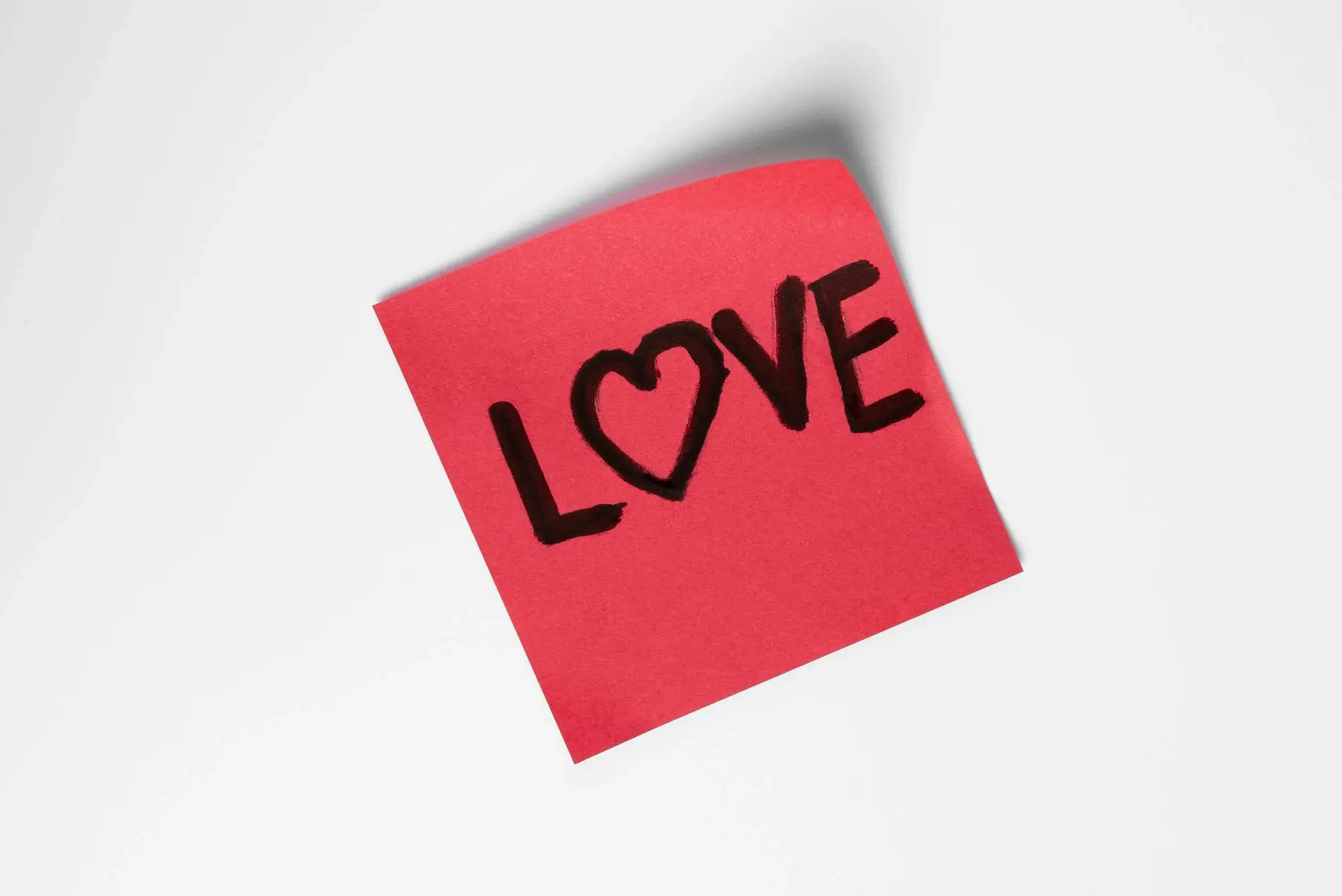
Te iubesc is the most direct and powerful way to say “I love you” in Romanian. It is used in romantic relationships, but can also be said to close family members in moments of deep affection. The phrase carries emotional weight and sincerity, and because Romanian is a phonetic language, its pronunciation flows naturally and melodically. Few expressions capture vulnerability and devotion as clearly as these two simple words.
2. Ești lumina ochilor mei. – You are the light of my eyes.

This poetic phrase is used to express deep affection and admiration. Literally translated as “You are the light of my eyes,” it conveys that someone is precious, cherished, and central to your happiness. It is often said between partners or from parents to children. The imagery of light reinforces themes of warmth, clarity, and emotional importance that appear frequently in Romanian expressions.
3. Îți simt lipsa. – I miss you.
Îți simt lipsa translates directly to “I feel your absence.” Unlike the English “I miss you,” this phrase emphasizes emotional sensation rather than mere distance. It reflects the Romanian tendency to express longing in a heartfelt and almost poetic manner. The phrase is often used between loved ones separated by time or geography and pairs beautifully with the untranslatable word dor mentioned earlier.
4. Îmi place să te văd zâmbind. – I love seeing you smile.

This gentle and affectionate sentence expresses appreciation for another person’s happiness. It conveys not only romantic interest but also kindness and attentiveness. The structure of the phrase reflects the musical rhythm of Romanian, making it sound soft and sincere when spoken aloud. It is a thoughtful expression that highlights emotional awareness.
5. Ești inima mea. – You are my heart.

This phrase conveys profound attachment and devotion. In Romanian culture, the heart—“inima”—is frequently used as a symbol of emotional truth and authenticity. Saying Ești inima mea expresses that someone is central to your emotional life. It is a deeply romantic declaration that carries intensity without needing elaborate wording.
6. Fiecare zi cu tine este o poveste de dragoste. – Every day with you is a love story.
This beautifully flowing sentence turns daily life into something poetic. It suggests that love is not limited to grand gestures but is found in shared moments and ordinary experiences. The phrase reflects the expressive quality of Romanian, where even simple sentiments can sound literary and romantic.
7. Viața este o călătorie minunată alături de tine. – Life is a wonderful journey with you.
This phrase combines the idea of life as a journey with companionship and devotion. It conveys partnership and shared growth, emphasizing unity and emotional closeness. The word călătorie connects back to the earlier vocabulary entry, reinforcing how Romanian expressions often intertwine themes of travel, love, and personal development.
Beautiful Romanian Sayings
1. Cine se scoală de dimineață, departe ajunge. – The early bird catches the worm.
This proverb emphasizes discipline, ambition, and initiative. Literally meaning “He who wakes up early goes far,” it reflects the cultural value placed on hard work and perseverance. It is commonly used to encourage productivity and responsibility.
2. Apa trece, pietrele rămân. – Water flows, stones remain.
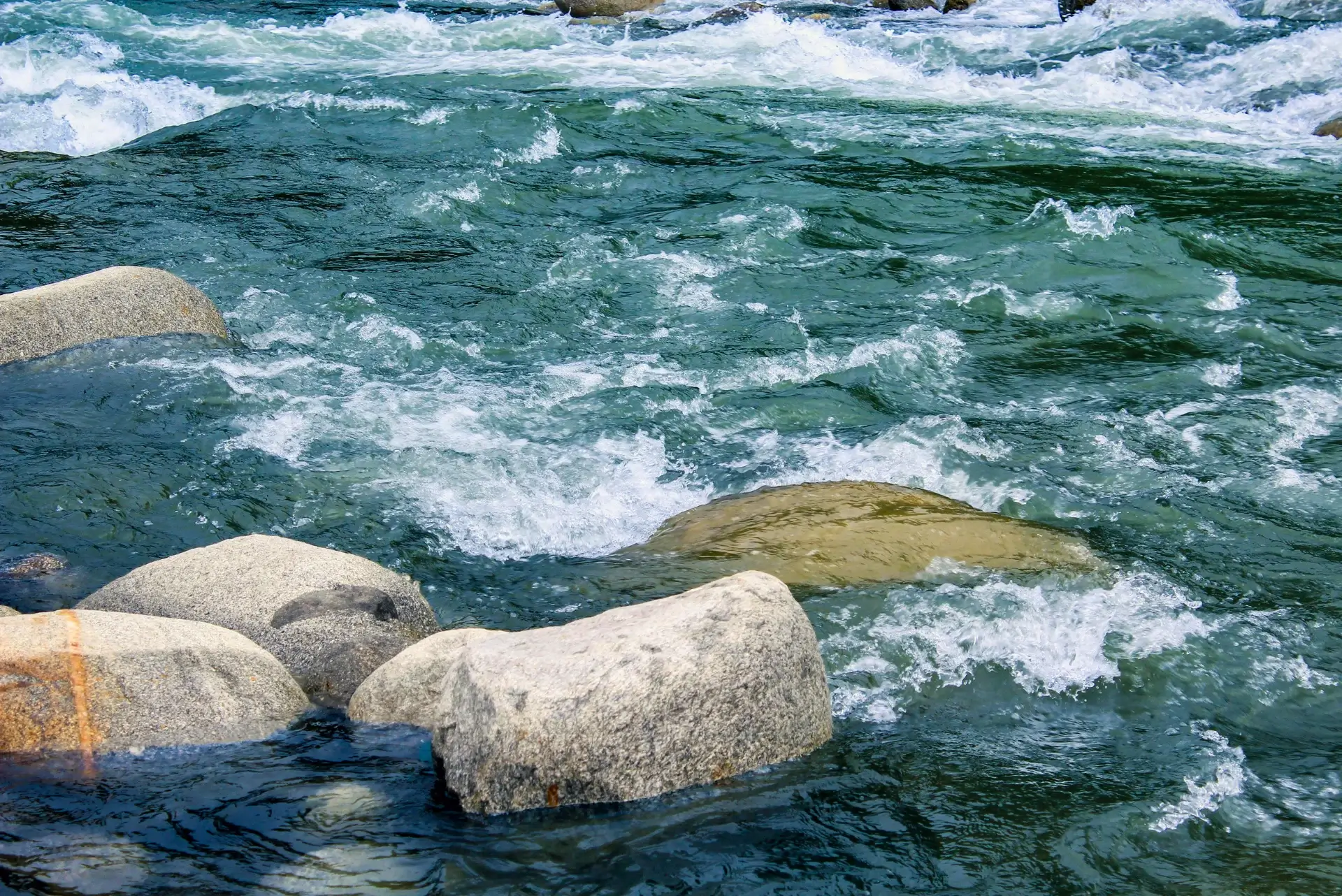
This saying suggests that while circumstances and people may change, strong foundations endure. It speaks to resilience and stability, themes deeply rooted in Romanian history and identity. The imagery of flowing water and unmoving stones creates a powerful visual contrast.
3. Cine râde la urmă, râde mai bine. – He who laughs last, laughs best.

This familiar adage advises patience and persistence. It implies that success or justice may not be immediate, but perseverance ultimately prevails. The rhythmic repetition of râde gives the phrase a memorable, almost playful sound.
4. Nu lăsa pe mâine ce poți face azi. – Do not put off until tomorrow what you can do today.

This widely recognized saying promotes responsibility and proactive action. It mirrors similar proverbs found in many cultures, highlighting universal values of diligence and time management. In Romanian, it carries a firm but practical tone.
5. Cine se aseamănă se adună. – Birds of a feather flock together.
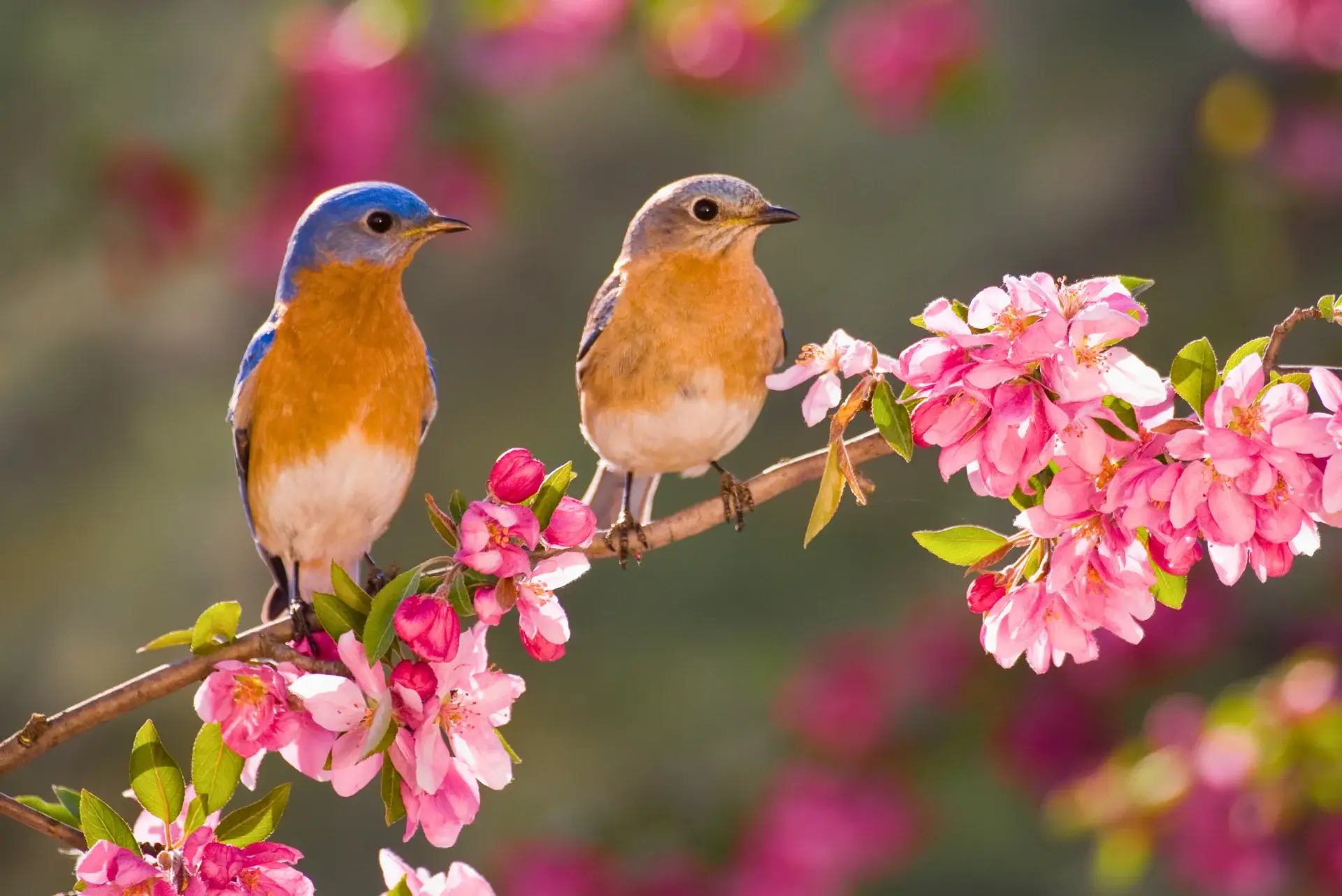
This proverb expresses the idea that people with similar personalities, interests, or values naturally gravitate toward one another. It is often used humorously but can also serve as social commentary. The rhyme between aseamănă and adună gives it a smooth, memorable cadence.
If you enjoyed this, you might also like…
➤ 10 Most Beautiful Currencies From Around the World